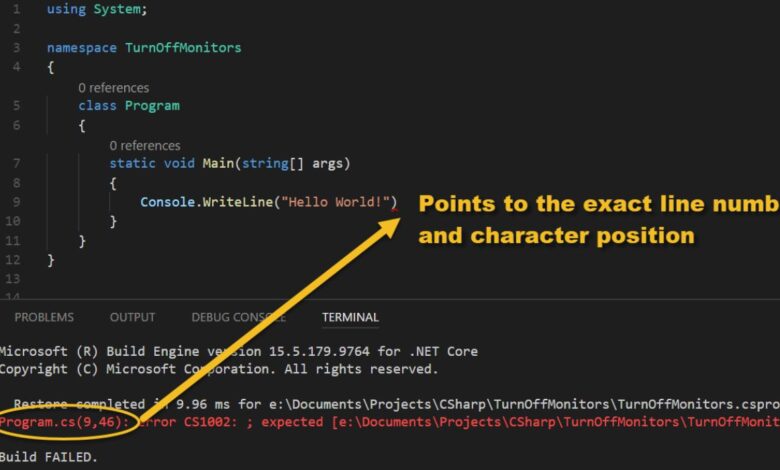
1. Introduction to SQL Data Errors
SQL is the backbone of modern data systems, powering everything from business applications to large-scale analytics platforms. However, even the most well-designed databases can face issues known as SQL Data Errors. These errors occur when data cannot be inserted, updated, deleted, or retrieved correctly due to structural, logical, or system-level problems. In 2026, with increasing data complexity, cloud databases, and ETL pipelines, SQL data errors have become more common than ever.
Understanding these errors is essential for developers, data analysts, and system administrators because even a small issue in SQL can lead to incorrect reports, broken applications, or data loss. This article provides a complete breakdown of SQL Data Errors, including their causes, types, real-world examples, and practical step-by-step solutions to fix them efficiently.
2. Quick Information Table: SQL Data Errors Overview
| Data Point | Description |
|---|---|
| Error Name | SQL Data Errors |
| Primary Cause | Data mismatch, constraints, or query issues |
| Occurrence Area | Databases, ETL pipelines, applications |
| Severity Level | Low to Critical |
| Common Tools Affected | SQL Server, MySQL, PostgreSQL |
| ETL Impact | High in SSIS and data pipelines |
| Error Type | Syntax, runtime, logical |
| Fix Complexity | Beginner to Advanced |
| Prevention Method | Validation and schema design |
| Frequency | High in large datasets |
| Key Solution | Debugging and constraint handling |
| Related Issue | Data inconsistency |
| Industry Impact | Finance, eCommerce, analytics |
| 2026 Trend | Cloud database error tracking systems |
3. Causes of SQL Data Errors
SQL Data Errors happen for multiple reasons, and understanding the root cause is the first step in resolving them. One of the most common causes is incorrect data input, where the inserted values do not match the expected data type or format. Another major cause is schema mismatch, especially when database structures are updated but applications still use old formats.
Network interruptions, partial data loads, and broken ETL pipelines also contribute to these errors. In addition, human mistakes such as writing incorrect queries or missing joins can lead to unexpected failures. In modern systems, integration between multiple databases further increases the chances of SQL data inconsistencies.
4. Types of SQL Data Errors
SQL Data Errors can be categorized into several types depending on their nature. The first type is syntax errors, which occur when SQL commands are written incorrectly. The second type is runtime errors, which happen during query execution due to missing data or invalid operations.
Another category is logical errors, where queries run successfully but produce incorrect results. Finally, there are constraint-related errors, which occur when rules like primary keys or foreign keys are violated. Each type requires a different debugging approach, making classification essential for efficient troubleshooting.
5. Data Type Mismatch Errors
One of the most frequent SQL Data Errors is data type mismatch. This occurs when a value inserted into a column does not match its defined type. For example, inserting text into an integer column leads to immediate failure.
These errors are common in dynamic applications where user input is not properly validated. To fix this issue, developers must ensure strict data validation before insertion. Using explicit type casting and enforcing schema rules can also reduce the chances of such errors significantly.
6. Constraint Violation Errors
Constraint violations occur when database rules are broken. These rules include primary key uniqueness, foreign key relationships, and not-null constraints. For instance, trying to insert duplicate values into a primary key column will trigger an error.
These SQL Data Errors are essential for maintaining data integrity, even though they may seem frustrating. The best way to handle them is by carefully designing database relationships and validating data before execution. Proper indexing and normalization also help reduce constraint conflicts.
7. SQL Data Errors in ETL and SSIS Pipelines
In ETL (Extract, Transform, Load) systems and tools like SSIS, SQL Data Errors are extremely common. These errors usually occur when data is transformed incorrectly between stages. For example, a column formatted as text in the source may be interpreted as numeric in the destination.
Pipeline failures can also happen due to missing records or incomplete data mapping. To resolve these issues, developers should implement error handling mechanisms, data flow validations, and logging systems. In 2026, automated ETL monitoring tools are helping reduce such errors significantly.
8. Query Syntax and Logic Errors
Query-related SQL Data Errors occur when SQL statements are incorrectly written or logically flawed. Syntax errors are usually easy to detect because the database engine immediately throws an error.
However, logical errors are more dangerous because they do not always produce visible failures. Instead, they return incorrect results. These errors often arise from incorrect JOIN conditions or missing WHERE clauses. Careful query testing and review are essential to avoid such problems.
9. Performance and Indexing-Related Errors
Poor database performance can also lead to SQL Data Errors indirectly. When queries are not optimized or indexes are missing, systems may time out or fail under heavy load.
Large datasets require proper indexing strategies to ensure smooth execution. Without indexes, even simple queries can become slow and unreliable. In high-traffic systems, performance-related SQL issues can escalate into critical failures affecting entire applications.
10. Step-by-Step Debugging Process for SQL Data Errors
Debugging SQL Data Errors requires a structured approach. First, identify the exact error message and locate the query causing the issue. Next, check the data types, constraints, and schema definitions involved in the query.
After that, test the query in isolation to isolate the problem. Logging and breakpoints can also help track data flow in complex systems. Finally, apply fixes gradually and retest the system to ensure stability. Following a systematic process reduces downtime and improves accuracy.
11. Prevention Strategies for SQL Data Errors
Preventing SQL Data Errors is always better than fixing them. One effective strategy is implementing strict input validation at the application level. Another is maintaining consistent database schema design across all systems.
Regular database audits and automated testing can also help detect potential issues early. In addition, using stored procedures instead of dynamic queries can reduce the chances of human error. Proper documentation and version control further strengthen database reliability.
12. Real-World Scenarios of SQL Data Errors
In real-world systems, SQL Data Errors can cause serious disruptions. For example, in eCommerce platforms, incorrect data insertion can lead to wrong pricing or inventory mismatches. In banking systems, even a small error can result in transaction failures or financial discrepancies.
Data analytics platforms also suffer when inconsistent data leads to inaccurate reporting. These scenarios highlight the importance of robust database design and error-handling mechanisms. Businesses today invest heavily in monitoring tools to prevent such failures.
13. Final Thoughts on SQL Data Errors
SQL Data Errors are an unavoidable part of working with databases, but they can be controlled and minimized with the right strategies. As systems become more complex in 2026, understanding these errors is crucial for maintaining data accuracy and system reliability.
By focusing on proper schema design, validation techniques, and structured debugging methods, developers can significantly reduce the impact of SQL errors. Ultimately, strong database management practices ensure smoother operations and more reliable data-driven decisions.
Frequently Asked Questions (FAQs)
1. What are SQL Data Errors?
SQL Data Errors are issues that occur when database operations fail due to incorrect data types, constraints, or query problems. They affect data insertion, retrieval, and updates.
2. What is the most common cause of SQL Data Errors?
The most common cause is data mismatch, where input data does not match the expected column type or format defined in the database schema.
3. How can I fix SQL Data Errors quickly?
You can fix them by checking error messages, validating data types, reviewing constraints, and testing queries step by step to identify the root cause.
4. Are SQL Data Errors dangerous for applications?
Yes, they can be very serious because they may lead to incorrect data storage, broken application logic, or system crashes if not handled properly.
5. How can SQL Data Errors be prevented?
They can be prevented through proper schema design, input validation, consistent data handling, and using automated testing and monitoring tools.