Explore the history of military patches and discover why custom military patches remain essential for identity, recognition, and branding today.
A Brief History of Military Patches and Why Custom Ones Still Matter Today
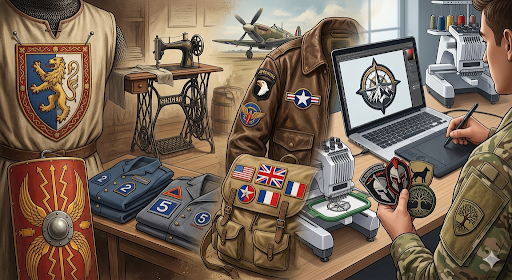
Alt text: A Brief History of Military Patches and Why Custom Ones Still Matter Today.
Military patches have long been symbols of identity, honor, and achievement. From their early use in armed forces to their modern applications across military units, law enforcement agencies, veteran organizations, and civilian groups, patches continue to play an important role in representing belonging and accomplishment.
Today, Custom Military Patches are more popular than ever. While their origins are rooted in military tradition, they have evolved into powerful tools for recognition, morale, branding, and storytelling. Whether used by active-duty personnel, military enthusiasts, or organizations seeking a professional appearance, military patches remain highly relevant in the modern world.
The Origins of Military Patches
The history of military patches dates back more than a century. One of the earliest widespread uses occurred during World War I when military divisions began wearing shoulder sleeve insignia to identify units quickly on the battlefield. These patches helped soldiers distinguish units while fostering pride and teamwork.
The Growth of Military Patch Culture
During World War II, military patches gained even greater significance. Soldiers proudly displayed their unit insignia, campaign patches, and specialty badges to represent their service and accomplishments. Over time, patches became symbols of unit pride, brotherhood, service history, special qualifications, and mission achievements.
Why Custom Military Patches Still Matter
Despite advances in technology and modern uniforms, custom military patches remain a critical part of military culture. They provide a visible representation of identity that instantly communicates affiliation, mission history, or achievement.
Custom Military Patches continue to serve several important purposes:
• Unit identification
• Morale building
• Recognition of accomplishments
• Commemoration of deployments
• Memorialization of special missions
• Team-building and esprit de corps
The Rise of Custom Military Patches Beyond the Armed Forces
Today, military-inspired patches are widely used outside the military. Law enforcement agencies, fire departments, security companies, emergency response teams, motorcycle clubs, and veteran organizations frequently use military-style patches to establish identity and professionalism.
Benefits of Custom Military Patches
Durability
Military patches are built to withstand demanding environments. High-quality embroidery and materials ensure long-lasting performance.
Professional Appearance
A well-designed patch immediately enhances uniforms, jackets, bags, and gear while creating a polished image.
Customization
Modern patch production allows organizations to create highly detailed designs featuring logos, emblems, slogans, flags, and unit identifiers.
Cost-Effective Branding
Compared to many customization methods, patches provide long-term value because they can be applied to various apparel and equipment.
The Importance of Working with a Custom Patch Maker
The quality of a military patch depends heavily on the expertise of the Custom Patch Maker producing it. An experienced manufacturer ensures precise embroidery, accurate color matching, durable materials, and long-lasting performance.
Military Patches in the Modern Era
Modern military patches now incorporate advanced manufacturing techniques, including embroidered, PVC, woven, and Velcro-backed options. However, the purpose remains unchanged: creating meaningful symbols that represent identity, achievement, and unity.
Wrapping Up
Military patches have evolved from simple battlefield identifiers into powerful symbols of pride, service, and belonging. Their rich history continues to influence organizations worldwide, making them as relevant today as they were generations ago.