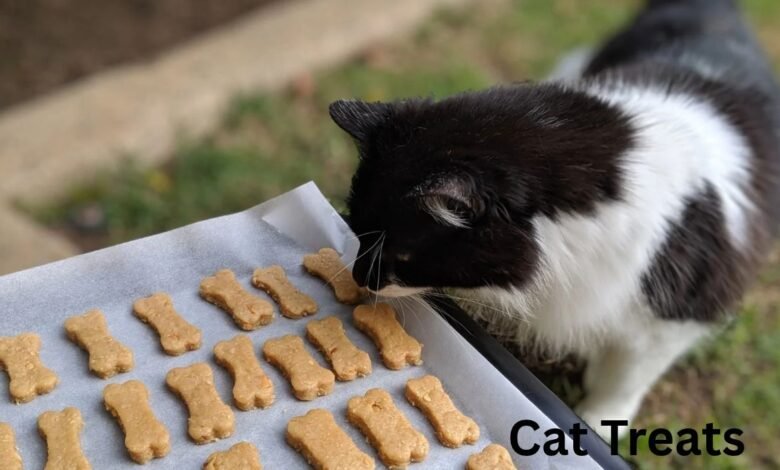
Cats may be naturally independent, but most enjoy receiving a tasty snack from their owners. A small treat can make training easier, encourage positive behavior, and create special moments between pets and their families. However, choosing the right snacks is important because not every product sold for cats offers good nutritional value. Some contain excessive calories, unnecessary additives, or ingredients that may not suit sensitive pets. The best approach is to choose treats that complement your cat’s regular meals rather than replace them. From simple cooked meat to specially prepared commercial snacks, several options can make snack time both enjoyable and sensible. Understanding ingredients, portion sizes, and preparation methods will help you make better decisions. In this guide, we explore ten delicious options, explain what makes them suitable, and share practical advice for feeding them safely.
Quick Information Table
| Category | Information |
|---|---|
| Main topic | Healthy cat treats |
| Suitable animals | Cats of different life stages |
| Popular protein | Chicken |
| Other protein choices | Turkey, rabbit, and fish |
| Homemade option | Plain cooked chicken |
| Commercial option | Freeze-dried meat treats |
| Training option | Small soft treats |
| Moisture-rich option | Lickable treats |
| Feeding guideline | Maximum 10% of daily calories |
| Best preparation | Plain and thoroughly cooked |
| Foods to avoid | Chocolate, onion, and garlic |
| Common concern | Excessive calorie intake |
| Storage | Follow package instructions |
| Introduction method | Start with a small portion |
| Professional guidance | Consult a veterinarian when needed |
1. Freeze-Dried Chicken Treats
Freeze-dried chicken is a popular option for cats that enjoy the natural taste of meat. These treats are made by removing moisture from chicken, creating lightweight pieces with a concentrated flavor. Products containing only chicken can offer a simple ingredient list without unnecessary seasonings or artificial flavorings. However, it is important to understand that freeze-drying does not always eliminate harmful bacteria. Some freeze-dried chicken treats are made from raw meat, which may carry foodborne pathogens. Choose products from reputable manufacturers and carefully follow their storage and handling instructions. If you prefer a safer alternative, consider commercially prepared treats made from thoroughly cooked chicken. Break larger pieces into smaller portions and serve them occasionally rather than using them as a replacement for complete and balanced cat food.
2. Plain Cooked Chicken
Plain cooked chicken is an affordable homemade snack that many cats find appealing. It contains animal protein and has a mild flavor that can suit pets with relatively simple food preferences. To prepare it safely, cook boneless chicken thoroughly without adding salt, butter, oil, onion, garlic, or spices. Allow it to cool before cutting it into small pieces. Remove any bones, skin, and excess fat before serving. This snack can be useful during training or as an occasional reward after grooming. However, chicken alone does not contain all the vitamins, minerals, and other nutrients cats need for proper health. It should never replace a complete and balanced diet. Introduce it gradually, particularly if your cat has not eaten chicken outside its regular food before.
3. Salmon-Based Cat Treats
Salmon offers a flavorful option for cats that enjoy seafood. It contains protein and naturally occurring omega-3 fatty acids, including EPA and DHA, which contribute to normal body functions. Commercial salmon treats are available in several forms, including crunchy bites, soft snacks, and freeze-dried pieces. You can also offer a tiny portion of plain, thoroughly cooked salmon after removing every bone. Avoid smoked salmon, salted fish, and preparations containing sauces or seasonings. These products may contain ingredients or levels of sodium that are unsuitable for cats. Salmon should be served in moderation because excessive treats can contribute unnecessary calories and disturb dietary balance. If your cat has a known fish allergy or a medical condition requiring a special diet, seek veterinary advice before introducing seafood snacks.
4. Cooked Turkey Pieces
Turkey is another animal-protein option that can add variety to your cat’s snack routine. Plain turkey breast, when thoroughly cooked, can be served in small portions without complicated preparation. Its soft texture makes it suitable for many cats, including some that prefer softer snacks over crunchy products. Always select unseasoned meat and avoid processed turkey slices, sausages, and deli products because they may contain excessive salt and additional ingredients. Remove bones, skin, and fatty sections before cutting the meat into manageable pieces. Turkey can be especially useful as an occasional reward for positive behavior. Nevertheless, it is not a complete meal and should not replace specially formulated cat food. If your pet has food sensitivities, introduce turkey carefully and monitor its response.
5. Veterinary Dental Treats
Dental treats can be a useful addition to a cat’s oral-care routine when they are specifically designed and tested for dental benefits. Certain products have been shown to help reduce plaque or tartar through their texture and chewing action. When selecting a dental product, look for options listed by the Veterinary Oral Health Council (VOHC), which evaluates products that meet established standards for reducing plaque or tartar. Ordinary crunchy snacks should not automatically be considered dental treatments. Follow the manufacturer’s feeding instructions and choose a texture your cat can comfortably chew. Dental treats cannot replace regular veterinary dental examinations, tooth brushing when tolerated, or professional cleaning when needed. Cats with painful teeth or gum problems should receive veterinary advice before being given hard snacks.
6. Creamy Lickable Treats
Creamy lickable snacks are popular because their smooth consistency appeals to many cats. They commonly come in small tubes or individual sachets and are available in chicken, tuna, salmon, and other flavors. Their moisture content may contribute a little additional water to a cat’s daily intake, although they should never replace fresh drinking water. These treats can also make grooming, carrier training, and other unfamiliar experiences more positive. When selecting a product, read the ingredient list and nutritional information carefully. Some varieties contain added starches, salt, or other ingredients that may not suit every cat. Serve only the recommended quantity and store opened portions according to the manufacturer’s instructions. Cats with medical dietary restrictions may require specially approved alternatives.
7. Fully Cooked Eggs
Eggs can be offered as an occasional snack when prepared without additional ingredients. They contain protein and several nutrients, making a small portion of fully cooked egg a possible treat for many healthy cats. Plain boiled egg or scrambled egg prepared without butter, milk, salt, cheese, or seasoning is preferable. Raw eggs should be avoided because they can carry harmful bacteria and may interfere with nutrient absorption when consumed regularly. Start with a tiny amount to see whether your cat tolerates it comfortably. Some cats may experience digestive upset after eating unfamiliar foods. Eggs should remain a small addition to a balanced diet rather than becoming a regular meal replacement. Cats with special dietary requirements should receive veterinary guidance before trying new ingredients.
8. Single-Ingredient Rabbit Treats
Rabbit-based treats can provide a different meat flavor for cats that enjoy variety. Some commercial products contain rabbit as their only animal ingredient, making their ingredient lists relatively straightforward. This can be helpful when owners want to understand exactly what their pets are eating. However, a single-ingredient product is not automatically suitable for every cat, and allergic reactions are still possible. Choose reputable products with clear manufacturing and ingredient information. Freeze-dried rabbit snacks can be broken into smaller portions, while appropriately prepared cooked rabbit may offer a softer alternative. If your veterinarian has recommended an elimination diet to investigate a suspected food allergy, avoid introducing additional treats without approval. Even small dietary changes can interfere with the results of a controlled food trial.
9. Plain Cooked White Fish
White fish, such as cod, can be another occasional snack for cats that enjoy seafood. Properly cooked fish has a soft texture and provides animal protein. Prepare it without oil, salt, garlic, sauces, or spices, and carefully inspect it to remove every bone before serving. Avoid raw fish and heavily processed seafood products. Although fish can be appealing, feeding large quantities may reduce dietary variety and create nutritional imbalances. It is better to offer small portions alongside a complete and balanced cat food diet. Owners should also consider individual food sensitivities before introducing new seafood ingredients. If your cat develops vomiting, diarrhea, or unusual itching after eating fish, stop offering it and consult a veterinarian.
10. Soft Meat-Based Training Treats
Soft meat-based treats are useful for rewarding cats during training because they can usually be divided into small pieces and eaten quickly. They work well during clicker training, carrier practice, grooming, and other activities where immediate rewards help reinforce positive behavior. Look for products containing clearly identified animal proteins and check their calorie content before making them part of a daily routine. Small portions are especially important because repeated rewards can add up throughout the day. You can also use a measured amount of your cat’s regular food as a training reward. This approach may help control additional calories while keeping training enjoyable. Select a texture your cat can comfortably chew, particularly if it has dental sensitivity.
How to Choose the Right Cat Treats
Choosing suitable Cat Treats involves more than selecting a flavor your pet enjoys. Start by checking the ingredient list, calorie information, nutritional details, and manufacturer’s feeding instructions. Clearly identified ingredients can help you understand what a product contains. Consider your cat’s age, activity level, weight, and medical history before introducing a new snack. Kittens need specially formulated complete food to support healthy growth, while senior cats may prefer softer textures depending on their dental condition. Cats with diabetes, kidney disease, food allergies, or other medical conditions may require carefully controlled diets. In these situations, ask your veterinarian before adding new treats. As a general guideline, treats should provide no more than 10% of your cat’s daily calorie intake, while at least 90% should come from complete and balanced food. Remember that even nutritious snacks can contribute to weight gain when portions are not controlled.
Common Mistakes to Avoid When Feeding Treats
One of the most common mistakes cat owners make is offering too many snacks throughout the day. Even small treats contain calories, and excessive feeding can contribute to unhealthy weight gain. Another serious mistake is sharing human foods without checking their ingredients. Chocolate, onions, garlic, grapes, raisins, and alcohol can be dangerous to cats. Foods containing xylitol should also be avoided because its safety in cats is not established. Never offer cooked bones, heavily seasoned leftovers, or raw meat without considering food-safety risks. Introducing several unfamiliar treats at the same time can also make it difficult to identify the cause of an allergic reaction or digestive problem. Introduce one new food at a time and watch for vomiting, diarrhea, itching, or changes in appetite. If your cat eats a potentially toxic ingredient, contact a veterinarian or animal poison service immediately rather than waiting for symptoms.
Final Thoughts
Choosing suitable Cat Treats does not need to be complicated, but it does require attention to ingredients, preparation, and portion sizes. Plain cooked chicken, properly prepared turkey, and carefully selected commercial snacks can provide enjoyable rewards for many cats. Always choose products that match your pet’s age, health, and dietary requirements. Keep treats within the recommended calorie allowance and remember that they cannot replace complete and balanced cat food. Avoid potentially toxic ingredients, introduce unfamiliar snacks gradually, and consult a veterinarian if your cat follows a prescription diet or has a medical condition. With sensible choices and consistent feeding habits, treat time can remain an enjoyable part of your cat’s everyday routine.
Frequently Asked Questions
1. What are the healthiest cat treats?
Simple treats made with clearly identified ingredients, such as plain cooked chicken or suitable single-ingredient meat snacks, can be good options for many healthy cats. Choose products appropriate for your pet’s dietary needs and avoid unnecessary seasoning or additives.
2. How many treats can cats eat daily?
Treats should generally provide no more than 10% of a cat’s daily calorie intake. The appropriate quantity depends on the calories in each snack, your cat’s weight, activity level, and regular food. Always check product feeding instructions.
3. Are homemade cat treats safe?
Some homemade treats are safe when prepared correctly. Plain cooked chicken, turkey, and fully cooked eggs are possible options. Avoid seasoning, onion, garlic, excessive salt, and cooked bones. Homemade snacks should never replace complete cat food.
4. Can kittens eat cat treats?
Yes, some products are specifically designed for kittens. Always check the recommended age on the packaging and choose appropriately sized, soft snacks. Treats should remain limited because growing kittens need most of their nutrition from complete kitten food.
5. Which foods are dangerous for cats?
Chocolate, onions, garlic, grapes, raisins, and alcohol should never be offered to cats. Cooked bones and heavily seasoned human foods should also be avoided. If your cat consumes a potentially toxic ingredient, contact a veterinarian immediately.