Who Is Chip Hailstone? Inside His Life, Family, and Survival Journey in Alaska
 Admin
Send an email
April 1, 2026
Admin
Send an email
April 1, 2026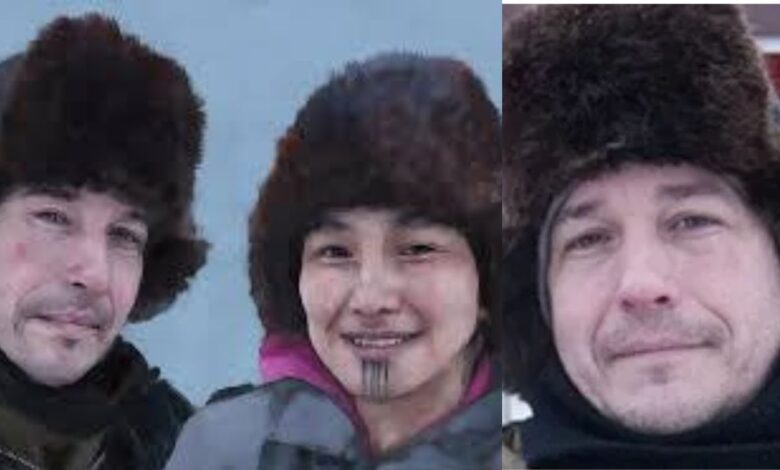
The rugged wilderness of Alaska is one of the most challenging environments on Earth. Freezing temperatures, remote landscapes, and months of darkness make survival extremely difficult for anyone unfamiliar with the land. Yet for Chip Hailstone, this harsh region is not just a place to live—it is a way of life. Known to millions through the popular survival documentary series Life Below Zero, Chip has become one of the most recognized figures representing the resilient lifestyle of people living in Alaska’s remote wilderness.
Chip Hailstone’s story is not simply about television fame. It is about adaptation, resilience, cultural integration, and deep respect for nature. Born far away from Alaska, he eventually moved to the state and embraced a subsistence lifestyle alongside his family and the local Indigenous community. His daily life revolves around hunting, fishing, trapping, and preparing food for long winters that can push temperatures below –40°F. Through years of experience, Chip has developed extraordinary survival skills that allow his family to thrive in an environment many people could not endure for even a week.
This article explores Chip Hailstone’s life in detail—from his early years and move to Alaska to his family life, survival skills, television career, and the challenges he has faced. His journey reflects both personal determination and the enduring spirit of the Alaskan wilderness.
Quick Information Table
| Detail | Information |
|---|---|
| Full Name | Chip Hailstone |
| Birth Year | 1969 |
| Birthplace | Kalispell, Montana, USA |
| Current Residence | Noorvik, Alaska |
| Nationality | American |
| Profession | Hunter, Trapper, TV Personality |
| Famous For | Appearance on Life Below Zero |
| Spouse | Agnes Hailstone |
| Children | Seven children |
| Lifestyle | Subsistence living in Arctic conditions |
| Community | Inupiaq region of Alaska |
| Primary Skills | Hunting, fishing, trapping, survival |
| TV Debut | 2013 |
| Notable Environment | Arctic wilderness of Alaska |
Early Life and Background of Chip Hailstone
Chip Hailstone was born in 1969 in Kalispell, Montana, a region known for its beautiful mountains and outdoor lifestyle. Growing up in Montana exposed him to nature from a young age. He developed an early appreciation for the outdoors, spending time hunting, fishing, and exploring wild landscapes. These early experiences would later shape his ability to adapt to one of the harshest environments in North America.
However, life in Montana was still very different from the extreme conditions of Alaska. While Montana offers wilderness and rugged terrain, it does not compare to the isolation and severe climate of the Arctic region. Chip’s early years were filled with curiosity about the wild, and that curiosity eventually motivated him to explore opportunities far beyond his home state.
When he was a young adult, Chip made a life-changing decision to travel north. What started as a visit soon transformed into a permanent move that would completely redefine his lifestyle. The decision would ultimately lead him to become one of the most well-known survivalists living in Alaska’s remote communities.
Moving to Alaska and Embracing the Wilderness
Chip first traveled to Alaska in the late 1980s. At the time, he was simply looking for adventure and new experiences. Alaska’s vast landscapes, wild rivers, and untouched forests fascinated him immediately. Unlike most visitors who eventually return home, Chip felt a deep connection with the environment and decided to stay.
Settling in the remote village of Noorvik, a small community located near the Kobuk River, Chip began adapting to a completely different way of life. In this region, modern conveniences are limited, and many families rely on subsistence living—meaning they hunt, fish, and gather most of their own food.
Living in Noorvik required Chip to learn quickly. Survival in Arctic Alaska depends on understanding animal migration patterns, seasonal weather changes, and traditional hunting methods. Over time, he gained the knowledge necessary to live successfully in the wilderness. What started as an adventure gradually became a lifelong commitment to living off the land.
Marriage to Agnes Hailstone and Cultural Integration
A major turning point in Chip’s life came when he met Agnes Hailstone, a woman from the Indigenous Inupiaq community. Agnes was born and raised in Alaska and possessed extensive traditional knowledge about Arctic survival. Their relationship not only formed a strong family bond but also helped Chip integrate deeply into the local culture.
Agnes grew up learning survival skills passed down through generations, including traditional hunting techniques, animal tracking, food preservation, and clothing preparation for extreme winters. With her guidance, Chip developed a greater understanding of how Indigenous communities have thrived in the Arctic for centuries.
Together, they built a family rooted in respect for both modern knowledge and traditional practices. Agnes’s cultural background played an essential role in shaping the family’s lifestyle and survival strategies in Alaska’s demanding environment.
Life in Noorvik: A Remote Alaskan Community
Noorvik is a small village with only a few hundred residents, located roughly 40 miles north of Kotzebue in northwestern Alaska. The community is accessible primarily by small aircraft or boat during certain seasons. Roads connecting to major cities do not exist, making transportation and supply delivery difficult.
For Chip and his family, this isolation is part of daily life. Grocery stores are limited, and imported food can be extremely expensive due to transportation costs. As a result, hunting and fishing are not hobbies—they are necessities.
The surrounding wilderness provides resources such as caribou, moose, fish, and small game. Each season brings new opportunities and challenges for obtaining food. Living in Noorvik means respecting the land and understanding that survival depends on preparation and hard work throughout the year.
The Survival Skills That Define Chip Hailstone
One of the most remarkable aspects of Chip Hailstone’s life is his mastery of survival skills. Living in Arctic Alaska requires knowledge that goes far beyond basic outdoor experience. Temperatures can plunge far below freezing, and mistakes can quickly become life-threatening.
Chip has developed expertise in hunting large animals such as moose and caribou. These hunts provide meat that can sustain his family for months. After a successful hunt, the meat must be carefully processed and preserved to last through the winter.
In addition to hunting, Chip also relies on trapping and fishing. Fish caught during summer are often dried or frozen for later use. Trapping smaller animals provides both food and fur, which can be used for clothing and trade.
These skills represent years of learning, patience, and adaptation to Alaska’s unpredictable environment.
Television Fame Through Life Below Zero
Chip Hailstone became widely known through the National Geographic documentary series Life Below Zero, which premiered in 2013. The show focuses on individuals and families living in some of the most remote areas of Alaska.
The series captures real-life survival situations—harsh winters, dangerous hunts, and the constant need to secure food and shelter. Chip and his family quickly became fan favorites because viewers appreciated their authenticity and resilience.
Unlike scripted reality shows, Life Below Zero highlights the genuine challenges of living in the Arctic. The cameras document everyday tasks such as building shelters, traveling long distances across frozen landscapes, and preparing food for winter.
Through the show, Chip helped millions of viewers understand what life in Alaska’s wilderness truly looks like.
Family Life and Raising Children in the Arctic
Chip and Agnes Hailstone have seven children, and raising a family in such a remote environment requires careful planning and teamwork. The children learn survival skills from a young age, including fishing, hunting preparation, and outdoor safety.
Education remains important, and the family balances traditional knowledge with modern schooling. Children growing up in this environment develop independence and resilience that many people in urban areas rarely experience.
Family cooperation is essential for survival. Everyone contributes to daily tasks such as gathering firewood, preparing food, maintaining equipment, and helping during hunting trips. These shared responsibilities strengthen the family bond and reinforce the importance of teamwork.
Challenges and Hardships in Alaska’s Wilderness
Life in Alaska is far from easy. The environment constantly presents new obstacles that require patience and resilience. Winters are long and extremely cold, often lasting eight months or more in northern regions.
Travel can also be dangerous. Snowmobiles, boats, and small aircraft are often necessary to move across the landscape. Weather conditions can change rapidly, making even routine trips risky.
Another challenge is maintaining supplies and equipment. Tools used for hunting and survival must be reliable because replacement parts are not easily accessible in remote villages. Planning ahead and repairing equipment are essential skills for anyone living in such an isolated environment.
Despite these hardships, Chip continues to thrive because of his deep understanding of the land and his strong family support system.
Legal Troubles and Personal Resilience
Chip Hailstone’s life has not been without controversy. At one point, he faced legal issues related to statements he made about local authorities. The situation led to legal proceedings and eventually resulted in a prison sentence.
During this difficult period, Chip’s family continued managing their lifestyle in Alaska. After serving his sentence, he returned to his family and resumed his work and television appearances.
The experience was challenging, but it also demonstrated the resilience that has defined Chip’s life. Surviving personal setbacks is just as important as surviving the physical challenges of the wilderness.
The Importance of Subsistence Living
Subsistence living forms the foundation of Chip Hailstone’s lifestyle. In Alaska, subsistence refers to hunting, fishing, and gathering natural resources for personal consumption rather than commercial purposes.
This approach promotes sustainability and respect for wildlife. Families harvest only what they need, ensuring that animal populations remain healthy for future generations.
Chip’s daily activities revolve around seasonal cycles. Spring may involve fishing and preparing equipment, summer often focuses on gathering and preservation, autumn is a critical hunting season, and winter requires careful resource management.
This rhythm connects the family closely with nature and reinforces the importance of environmental awareness.
Public Recognition and Cultural Influence
Through his role on Life Below Zero, Chip Hailstone has gained international recognition. Viewers around the world are fascinated by the idea of surviving in the Arctic wilderness.
However, Chip’s story also highlights the importance of Indigenous knowledge and cultural traditions. Much of what he has learned about survival comes from the local community and from his wife Agnes.
By sharing these experiences on television, Chip has helped educate audiences about the realities of life in Alaska and the importance of respecting the land and its people.
Legacy of a Modern-Day Survivalist
Chip Hailstone represents a rare combination of modern media presence and traditional survival skills. While television has made him famous, his true identity remains rooted in the wilderness lifestyle he has practiced for decades.
His story inspires people who admire resilience, independence, and self-reliance. In a world increasingly dependent on technology and urban living, Chip’s life reminds viewers that humans are still capable of thriving in nature’s harshest environments.
His legacy will likely continue through his family, who are learning the same survival skills and traditions that have sustained their community for generations.
Conclusion
Chip Hailstone’s life journey is an extraordinary example of adaptation and determination. Born in Montana but transformed by his experiences in Alaska, he built a life centered on survival, family, and respect for nature. Through his marriage to Agnes and his connection to the local community, he gained knowledge that allowed him to thrive in one of the harshest climates on Earth.
His role in Life Below Zero brought global attention to the realities of subsistence living in the Arctic. Yet beyond television fame, Chip’s story remains deeply personal—a story about family cooperation, cultural learning, and the courage to live far from modern conveniences.
Ultimately, Chip Hailstone’s life reminds us that survival is not just about physical strength. It is about knowledge, resilience, community, and the ability to adapt to the world around us.
Frequently Asked Questions (FAQs)
1. Who is Chip Hailstone?
Chip Hailstone is an American hunter, trapper, and television personality known for appearing on the survival documentary series Life Below Zero. He lives in Noorvik, Alaska, where he practices subsistence living with his family. His lifestyle revolves around hunting, fishing, trapping, and preparing resources necessary to survive in the Arctic wilderness.
2. Where does Chip Hailstone live in Alaska?
Chip Hailstone lives in the small village of Noorvik in northwestern Alaska. The community is located near the Kobuk River and is accessible mainly by aircraft or boat. Due to its remote location, many residents rely on traditional subsistence activities for food and survival.
3. Who is Chip Hailstone’s wife?
Chip Hailstone is married to Agnes Hailstone, a member of the Indigenous Inupiaq community. Agnes grew up in Alaska and has extensive knowledge of traditional survival techniques. Her cultural background plays a significant role in the family’s lifestyle and approach to living in the Arctic.
4. How many children does Chip Hailstone have?
Chip and Agnes Hailstone have seven children. The family works together to maintain their subsistence lifestyle in Alaska. The children learn hunting, fishing, and outdoor survival skills from an early age, helping them adapt to the challenges of living in the wilderness.
5. Why is Chip Hailstone famous?
Chip Hailstone became famous through the National Geographic documentary series Life Below Zero. The show follows individuals and families living in remote regions of Alaska and documents their daily efforts to survive harsh weather conditions, find food, and maintain their homes in the Arctic wilderness.
Admin
Send an email
April 1, 2026